

The Importance of Journals to Historians
In today’s world, social media is the number one tool people use to record their lives. But there are many other ways to keep a journal that can be useful to future historians and genealogists.
You don’t have to write pages every day; even a simple bullet list of what happened on any given day can be a treasure to historians.
And you would be surprised how often even you will find those journals helpful to verify when and where something in your life took place! I’ve do this all the time.
History is often built from the grand events that fill textbooks—wars, elections, discoveries, and revolutions. Yet the true heart of history is found in ordinary lives. It is hidden in handwritten journals tucked into attic trunks, leather-bound diaries passed through generations, and notebooks filled with observations that their authors never imagined anyone else would read.
For historians, journals are among the most valuable records ever created. They preserve not only what happened, but how people felt, what they feared, what they celebrated, and how they understood the world around them. They transform names and dates into living, breathing human stories.

Your Journal Is Tomorrow’s History
Many people believe their lives are too ordinary to record. History suggests otherwise.
- No one who kept a journal during the Great Depression knew historians would someday study their grocery lists.
- No Civil War soldier knew that future generations would analyze every page of his diary.
- No immigrant arriving at a crowded port imagined that a simple description of the journey would become an invaluable historical document.
What seems ordinary today may become extraordinary tomorrow. The routines you record today may one day help your grandchildren understand how people lived in the early twenty-first century.
How to Keep a Journal That Future Historians Will Appreciate
You don’t need to write pages every day. Even short, consistent entries can become invaluable over time. Consider including:
- The date and location.
- The weather.
- Current events affecting your community.
- Family milestones.
- Daily routines.
- Conversations you want to remember.
- Traditions and celebrations.
- Challenges you are facing.
- Your thoughts and feelings.
- Small details that seem ordinary today.
Don’t worry about perfect grammar or polished prose. Authenticity matters far more than perfection.
Preserving the Stories That Matter
Every generation leaves behind a legacy. Some leave monuments. Some leave businesses. Some leave inventions.
Others leave journals.
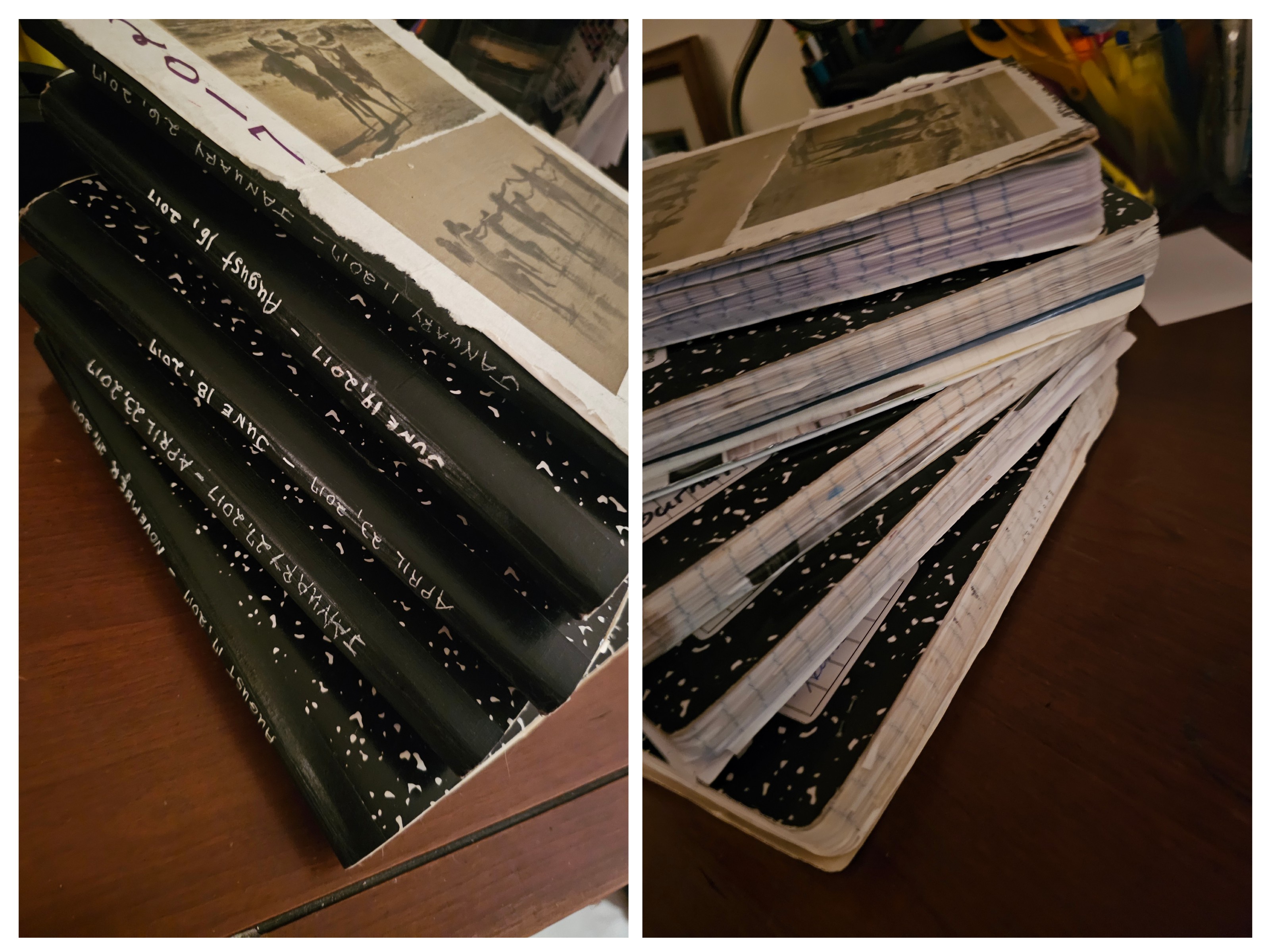
Those journals become gifts to historians, genealogists, and family members who want to understand not only what happened, but what it felt like to live through it.
History is not made only by famous people. It is made by millions of ordinary individuals whose daily lives, when recorded, become extraordinary windows into the past.
Your journal may never sit in a museum or archive—but it could become the most treasured historical document your family will ever own.
Because one day, someone may open its pages and discover not just the facts of your life, but the story of a world that no longer exists.
Follow Lifetales Media for journaling and lifewriting ideas. Peace, Karen


